
Bread and Rice
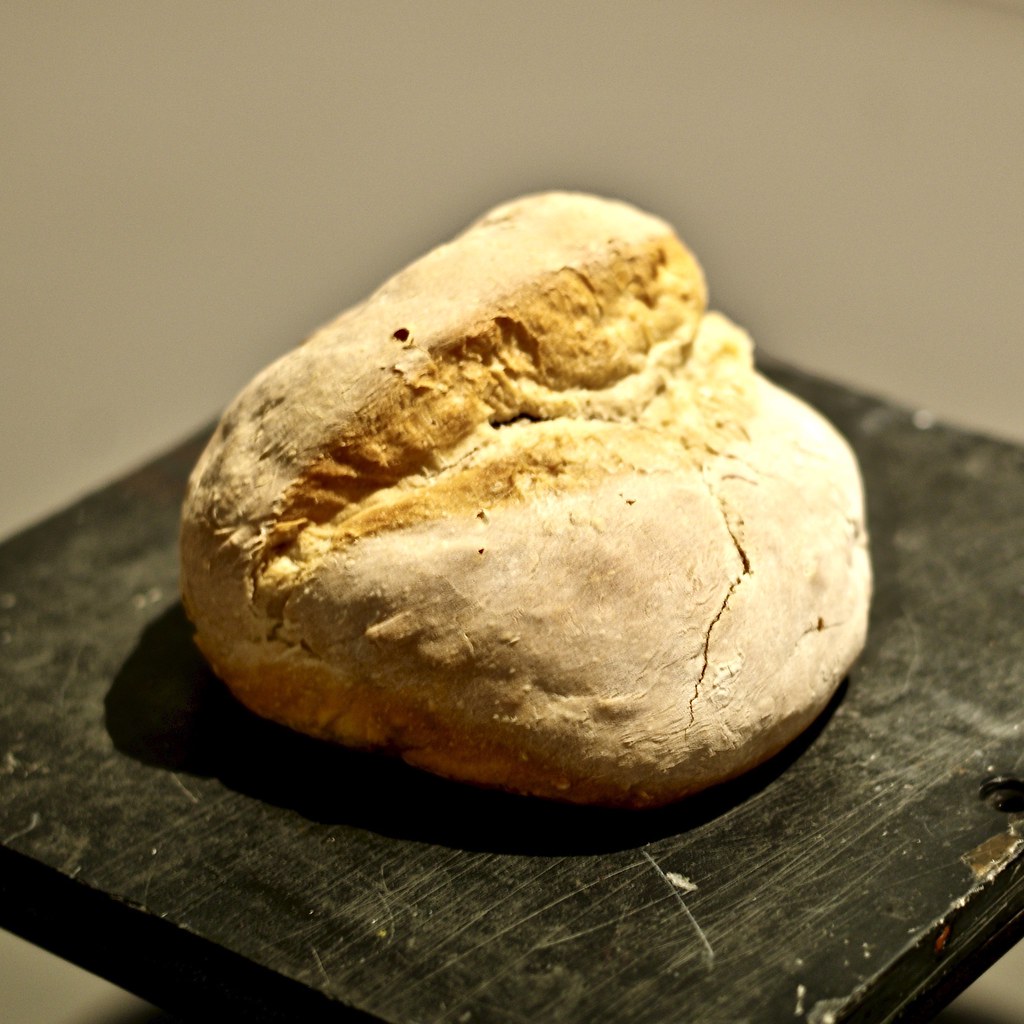
When it come to eating bread and rice, we don’t do it like other cultures, we use wheat bread, which has been in the Portuguese table since the eighth century. You will find lot of cornbread, acorn bread, and carob bread in Lisbon. In Portugal, try Padaria Gleba for cornbread, and the Herdade do Freixo do Meio organic shop in Mercado da Ribeira for an acorn loaf.
Portugal is also Europe’s largest consumer of rice. The short-grain carolino is the best for runny rice stews like arroz de tomate (tomato rice) and arroz doce (rice pudding with milk, eggs, and cinnamon).
Pastry
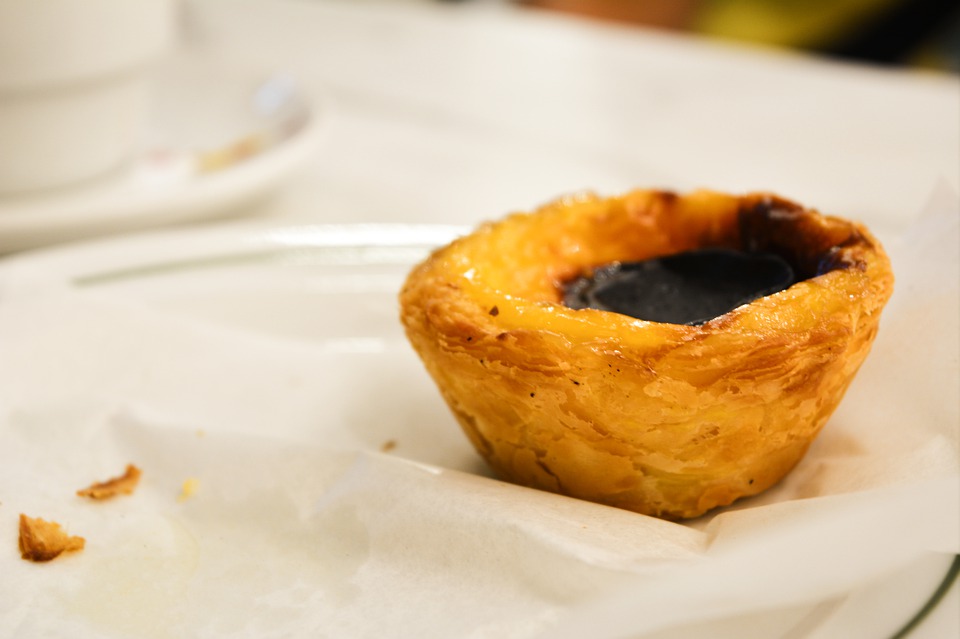
During the 15th century, honey was Europe’s best sweetener at that time , until Portugal’s sugar rush started with expensive sugar arriving from the Portuguese island of Madeira . Later on it came from Brazil. Convent cakes and dessert including pastéis de nata, or egg tart are made by nuns that had the skills and patience, and it wouldn’t be the same without sugar.
You should try the traditional pastelaria. In Portugal, the old school shop Versailles, which has been baking pastries since 1922 on Avenida da República is a good place to start. Go to the long counter and order some miniatures and a regular-sized cake with a bica (an espresso). It is very good and delicious. Also go to Landeau in Chiado if you want a more modern front. It is a cafe specializing only in chocolate cake, having created a truly wonderful recipe, with three different layers and textures.
Cod
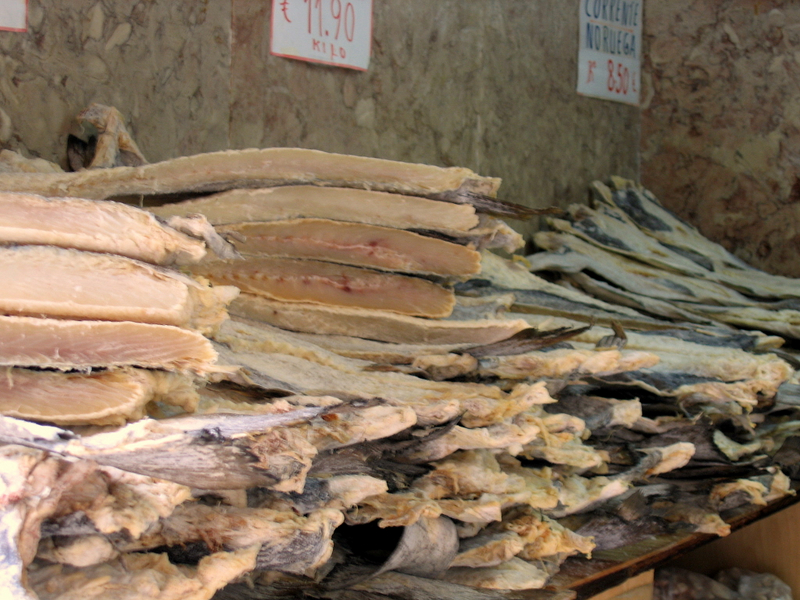
Salt cod has been part of Portuguese culture since the Vikings came to trade cod for salt. It helped the Portuguese navigators by having their ships armed with supplies of salt cod could travel further with a source of protein that didn’t spoil. Ever since , the Portuguese have over fished the national staple of their country and today it is the world’s largest consumer of cod.
Portuguese cooking honors this tradition in hundreds of recipes: grilled, baked, stewed, as part of rice dishes, and deep fried as fritters or cakes. In Portugal, look for freshly baked, crispy cakes at Martinho da Arcada, one of the oldest restaurants in Lisbon.
Seafood
Cod is apart of seafood, so the love does not stop for fish. Portugal is one of the top countries in the world when it comes to seafood consumption. During June, festivals dedicated to Santo António and São João and barbecue full of grilled fish are eaten. It turns into sardine central filled with smoke, loud music, sangria, beer, caipirinhas, and pork sandwiches known as bifanas. . Sardine is expensive, since it is so in demand right now. It gets harder to acquire them because of over fishing in the past and climate change, which is pushing the fish to colder waters in the northern European sea.
Sausage
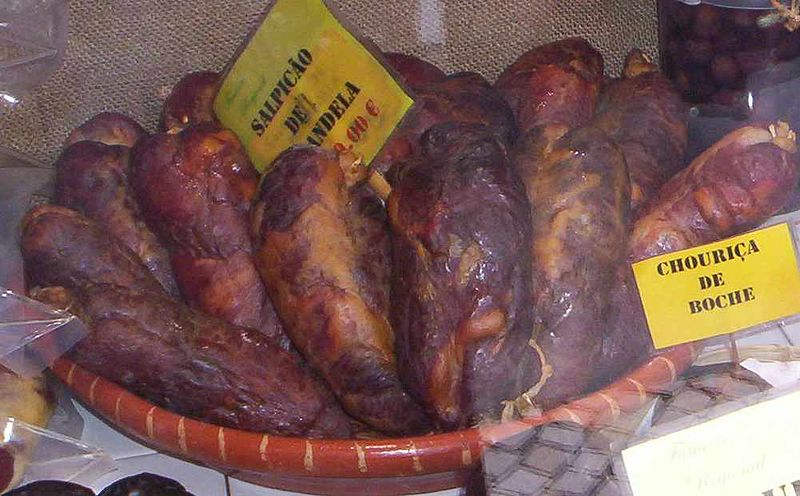
This is a Lisbon favorite. The locals love chouriço, a sausage that’s similar to Spain’s chorizo but with less fat, but you’ll also find plenty of morcela (blood sausage), farinheira (sausage made with flour and red pepper paste), and alheira (a sausage made with bread and chicken or game).
In Portugal, the best intro to Lisbon’s sausage scene might be a butcher shop in the Mercado da Ribeira or Manteigaria Silva, a ham and cheese shop that’s been open since 1890. When eating out. don’t be afraid to try feijoada à transmontana (bean stew with cabbage and sausages), cozido à Portuguesa (boiled vegetables, sausages, and cuts of meat), or favas com chouriço (fava bean stew). They aren’t pretty, but they are beyond delicious.
Spices
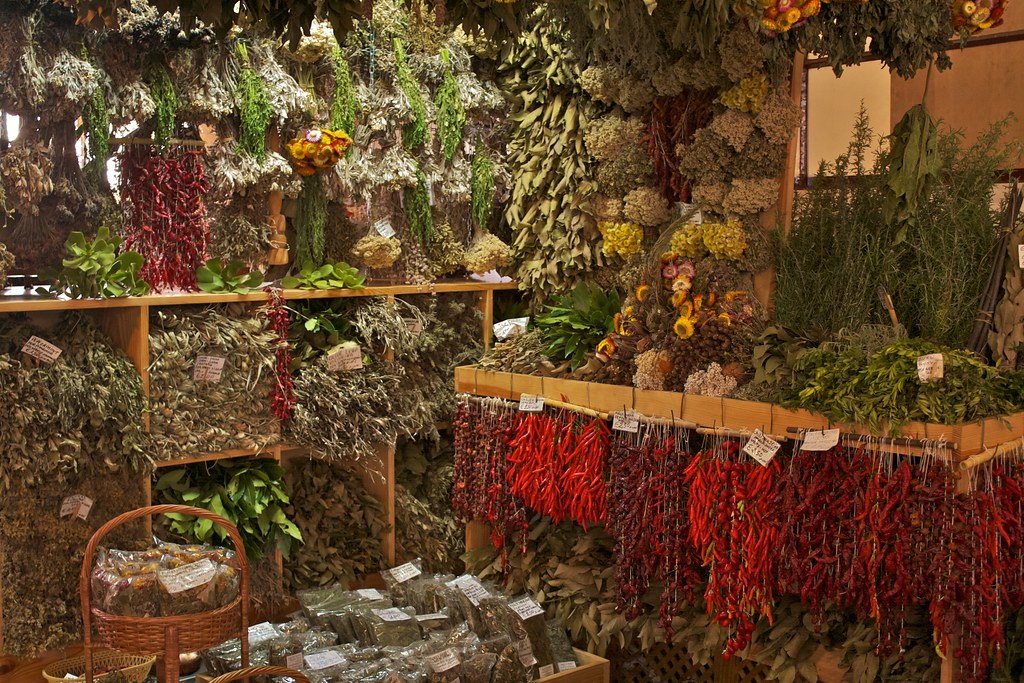
Spice shops are thanks to Portugal’s dominance of early global trade routes. Navigators brought back tea and sweet oranges from China. Spices like nutmeg, pepper, cloves, cumin, turmeric, cinnamon, and star anise from Goa, Sri Lanka and Malacca .Also , piri piri chiles from Brazil. The shops are long gone, but you’ll still find spices in Martim Moniz or traditional grocery stores like Pérola do Arsenal, a pearl on a street lined with tacky souvenir shops.
Wine, Cheese, and Olive Oil
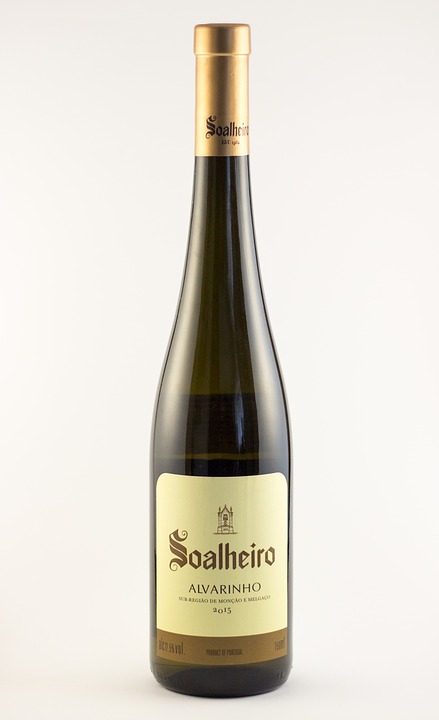
Portugal also has a centuries-long history of making olive oil, wine, and cheese. The country’s most famous wine is port, made with indigenous grapes like Touriga Nacional in North Portugal’s Douro Valley . Another high-quality protected wine is Madeira, named for the island off Portugal where it’s produced. These days, the dry, crisp Vinho Verde, produced in northwest Portugal with grapes like alvarinho and loureiro, is also getting some international recognition. The amazing cheeses that they have are Azeitão and Serra, gooey, soft sheep’s milk cheeses that are found in most grocery stores in Portugal that are made with an ancient method of coagulating milk with the thistle flower.
 Ivy Castle by Renaissance the Creek