
The richness of Portuguese cuisine comes from the fire and passion. It is all about cooking over hot coals and branding food with white-hot irons. The style comes from a earthy peasant feel where it is centered on quite simple dishes, using few ingredients but with strong flavors.

It is hearty peasant fare full of strong flavors, many dishes having different distinct tastes ,which makes what culinary history of the country is. For example, the famous dried salt cod or bacalhau changed the history of Portugal. When it was founded that beautiful white fish caught in the cold Scandinavian waters could be dried and kept for long periods, sailors were able to go on long voyages of discovery to new lands, which then opened up trade routes. It helped what made bacalhau is today and in many cooking and recipe books. There are books that are made just for bacalhau with different recipes and dishes just waiting to be eaten all around the country.
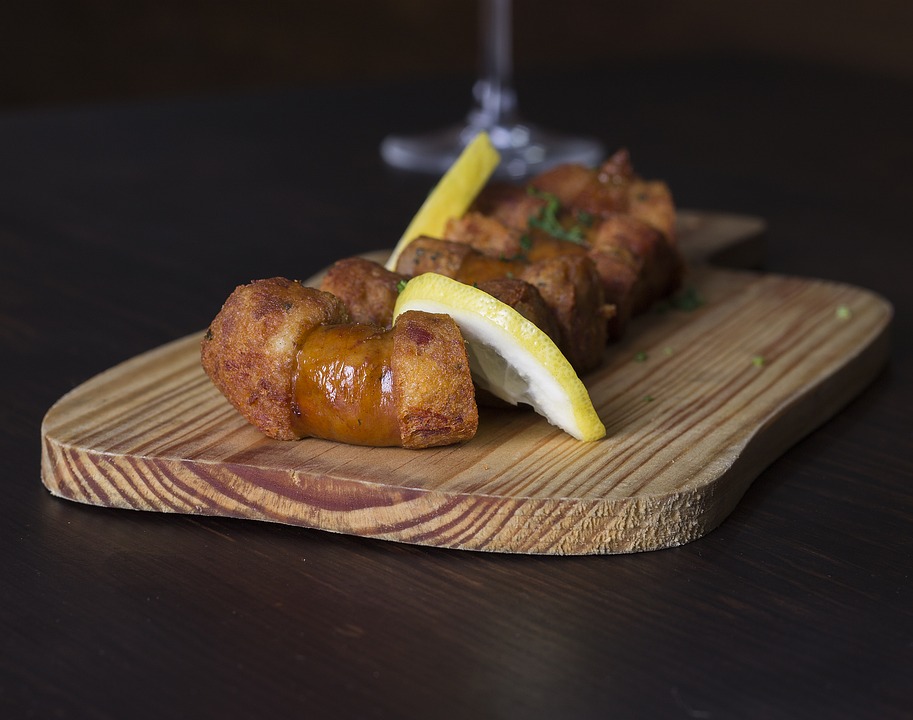
Paprika, bay leaves, garlic and wine are largely used in many dishes. Olive oil is very loved in Portugal as it is used to cook both cook food and finish off dishes. Pork is a local favorite meat and is used in the famous chourico sausage, which is smoked over wood with powerful aromas of garlic and paprika. Spices that are used are piri piri (small fiery chilli peppers), black pepper, cinnamon, vanilla, and saffron. Herbs are also widely used, particularly coriander and parsley.
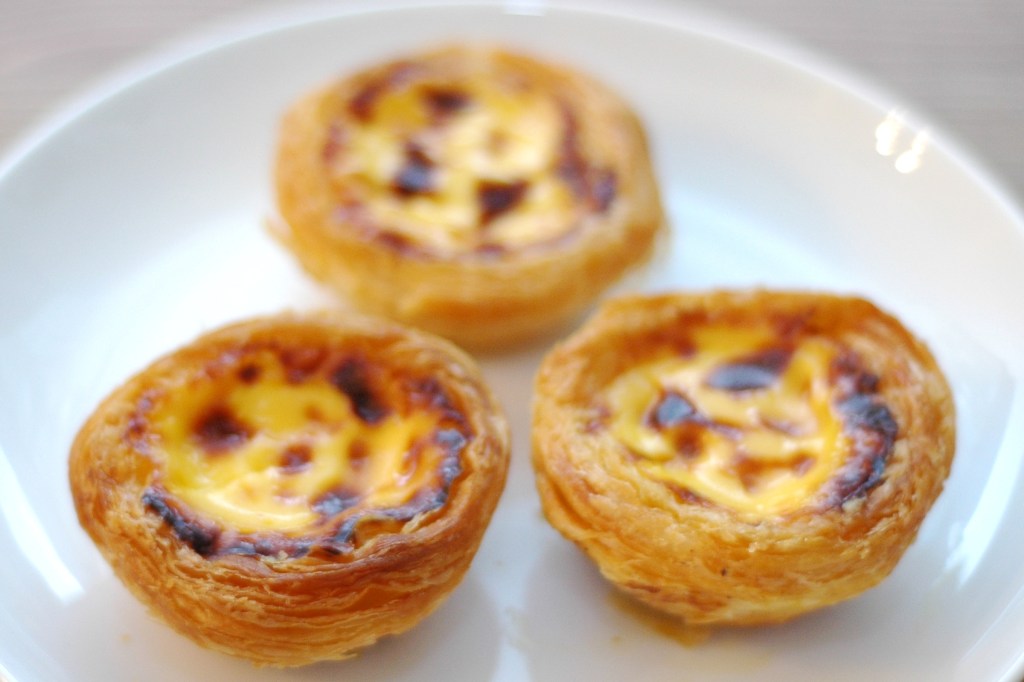
A huge hit in Portugal is Portuguese chicken, which is cooked over charcoal and big in Australia also. It is flattened marinated chicken served with chili spiked piri piri sauce. The recipe was developed in Angola when it was a Portuguese colony. When is comes to the deserts, it relies on eggs, which is used to make thick crème caramel, rice pudding and the famous pasteis de nata ( custard tarts)
 Ivy Castle by Renaissance the Creek